
If you’re new to the idea of traveling on a tight budget, you’re not alone. Many people think that seeing the country’s landmarks means breaking the bank, but with a little planning you can keep costs low while still enjoying the experience. Below you’ll find practical steps that work in 2024, from booking to eating, and even a quick detour into online entertainment for a night of low‑stakes fun.
1. Book Transport Early and Use Alternative Stations
Rail fares in the UK vary wildly depending on when you buy. Buying tickets at least three weeks in advance can save you up to 30 % on mainline trains. If you’re headed to London, consider boarding from a smaller station like Clapham Junction or Putney Bridge instead of Paddington. The price difference is usually around £5–£10, and the extra travel time is just a few minutes.
For long‑haul trips, look at budget airlines such as Ryanair or easyJet. They often have flights from regional airports like Manchester or Birmingham that are cheaper than London Heathrow. Check the airline’s own website rather than third‑party aggregators; they sometimes run exclusive deals that cut the fare by £15.
2. Choose Hostels, Budget Hotels, or House‑Sharing
Hostels remain the cheapest option in cities like Edinburgh and Bristol, with dormitory rooms starting at £18 per night. If you prefer privacy, a budget hotel room can cost as low as £45 in the off‑season. Another option is to use platforms that list private rooms in shared houses. These can be as cheap as £25 per night and give you a chance to meet locals.
When booking, always read the fine print. Some hostels charge a nightly cleaning fee of £2, and many budget hotels add a £5 booking fee. Add those to your nightly rate to avoid surprises.
3. Eat Like a Local, Not a Tourist
Street food stalls and local markets are a treasure trove of affordable meals. A full‑meal at a food market in Manchester can be found for £8–£10. If you’re in a city, look for “bargains” on the back of a sandwich shop’s menu—usually the cheapest option. Many cafés offer a “lunch special” that includes a sandwich, a drink, and a side for £6.50.
Another trick is to shop at the grocery store for a picnic. Buy a loaf of bread, a cheese platter, and a bottle of wine from Tesco or Sainsbury’s, then enjoy it on a park bench. This can save you £12–£15 compared to a restaurant meal.
4. Use Free Attractions and Walking Tours
Many museums in London, such as the British Museum and the National Gallery, have free entry. The Tate Modern offers free admission to its permanent collection, though special exhibitions may charge a fee. In cities like Liverpool, the National Maritime Museum is free, and you can walk the waterfront for a scenic view.
Walking tours are a great way to learn about a city without spending money. Look for “free walking tour” groups that operate on a tip‑based model. You’ll pay what you feel the guide is worth—often around £5–£10—and you’ll still get a comprehensive overview.
5. Take Advantage of Student and Senior Discounts
If you’re under 25, you can get a 25 % discount on most UK rail tickets with a valid Student ID or a National Student Travel Card. Seniors (aged 60+) can claim a 20 % discount on train fares through the Senior Rail Discount Card. These discounts apply to both ticket prices and some attractions, so keep your cards handy.
Many museums offer free entry for students and seniors on specific days. For example, the Victoria and Albert Museum is free for anyone under 18 and for seniors on the first Wednesday of each month.
6. Combine Travel with a Night of Online Fun
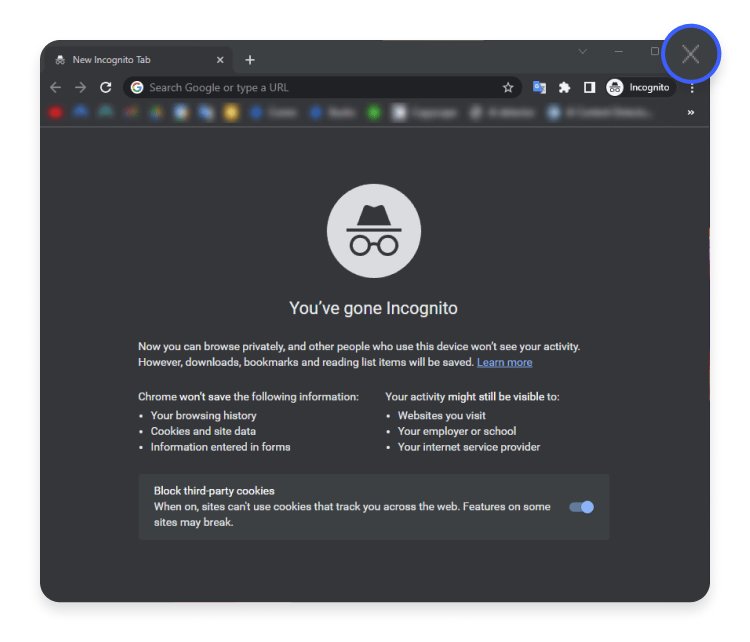
After a day of sightseeing, you might want a break that doesn’t cost a fortune. Many people find that a quick session on an online gaming platform is a great way to unwind. If you’re looking for a discreet, low‑cost option, you could try casino Incognito, which offers a range of games that let you play for fun without a big investment. Just remember to set a time limit so you don’t lose track of the day’s budget.
7. Pack Light to Avoid Baggage Fees
Airlines such as Ryanair charge £35 for a carry‑on bag that exceeds 10 × 15 × 20 cm. Packing only a single backpack that fits these dimensions can save you that fee. Additionally, avoid over‑packing by planning your outfits around a neutral color palette; this allows you to mix and match without buying extra clothing.
8. Plan Your Itinerary Around Seasonal Events
Many festivals in the UK are free, such as the Edinburgh Fringe’s free shows or the London Street Art Festival. Attending these events can give you a taste of local culture without spending money on tickets. Check local council websites for a calendar of free events in the area you’re visiting.
Conclusion
Traveling cheaply in the UK is all about smart choices: booking transport early, staying in budget accommodations, eating where locals do, and taking advantage of free attractions. By planning ahead and being flexible, you can see the country’s highlights without draining your wallet. Happy travels!
Frequently Asked Questions
What’s the best time to book UK train tickets for savings?
Book at least 3–4 weeks ahead and look for off‑peak fares to get the lowest prices.
How can I eat cheaply while traveling in the UK?
Use local supermarkets, street markets, and cook your own meals or grab meals from budget cafés and take‑away options.